Public relations specialist resume examples & writing guide for 2026

Three public relations resumes at specialist, senior specialist and PR-manager level, rendered in a real template and annotated note by note. Every one counts placements in the outlets that mattered and shows how the work held up when news turned bad.

By the Resumi editorial teamUpdated 9 min read

Showing the mid-level example

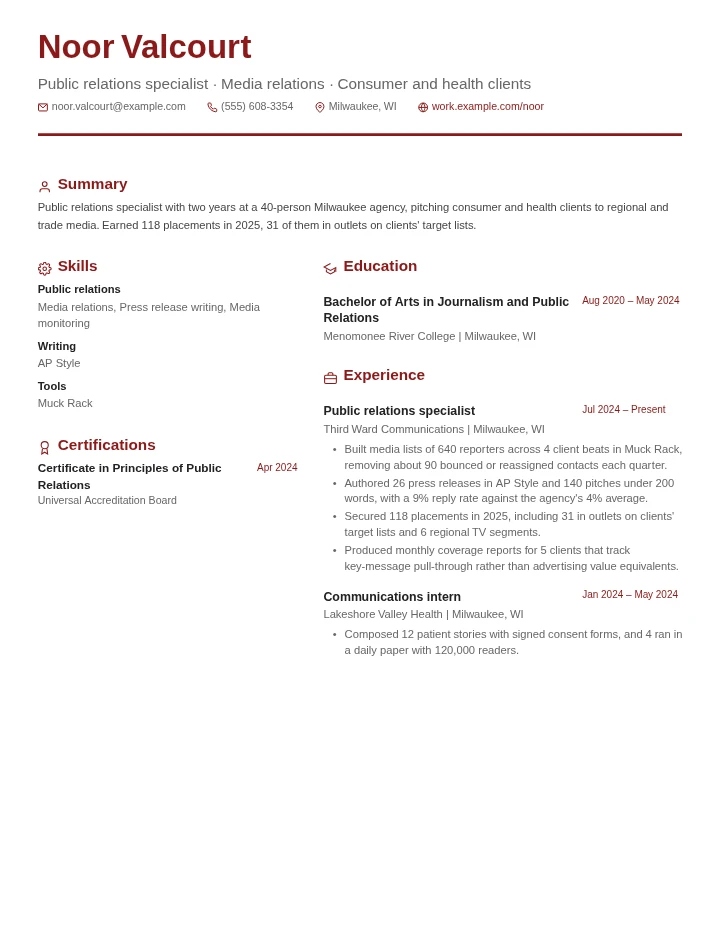
Public relations specialist resume example, mid level, rendered in the Red & Gray Modern template
Strength: Strong

Written by the Resumi editorial team for a fictional candidate. Role facts come from O*NET and the U.S. Bureau of Labor Statistics.

Strength band is Resumi’s optimization score, not a ranking any employer sees.

What makes this resume work

Each marker on the page has a note here. Press a marker to jump to its note.

  1. 1

    Media and crisis together

    Health system postings ask for a spokesperson who can also handle a bad day. Naming both in the headline, with the hospital count, tells the reader this person has done the proactive and the reactive side.

  2. 2

    On-call rotation stated

    A 1-in-4 weekend rotation. Hospitals generate news at night and on weekends, and a candidate who names the rotation shows they know what the job asks of their calendar.

  3. 3

    Response time as a standard

    Three hundred and eighty reporter inquiries a year, answered within two hours. Reporters on deadline move to another source quickly, and a response standard is how a media relations desk keeps its place.

  4. 4

    Experts, not press releases

    Sixty-four physicians in 410 stories through a weekly tip sheet. Journalists value access to sources above most pitch elements, and an expert program shows this specialist supplies what reporters actually use.

  5. 5

    Crisis with a clock

    Fourteen updates in 72 hours during a ransomware outage. Crisis claims are common and vague, and a count against a timeline is the version a communications director can check in the interview.

  6. 6

    HIPAA consent made routine

    Fifty-two patient stories cleared through a written consent process with the privacy office. Patient stories are the best material a hospital has, and a process that keeps them legal is worth its own line.

01The example, in full

The resume shown above, as text you can search and copy.

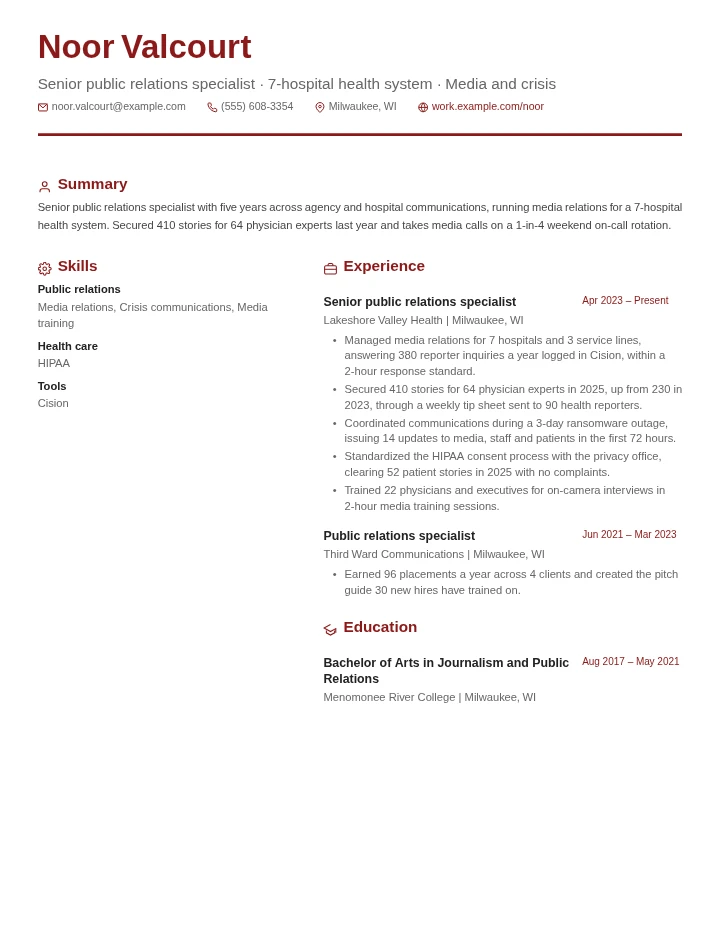
Noor Valcourt

Senior public relations specialist · 7-hospital health system · Media and crisis

Milwaukee, WInoor.valcourt@example.com(555) 608-3354work.example.com/noor

Summary

Senior public relations specialist with five years across agency and hospital communications, running media relations for a 7-hospital health system. Secured 410 stories for 64 physician experts last year and takes media calls on a 1-in-4 weekend on-call rotation.

Experience

Senior public relations specialist

Apr 2023 – Present

Lakeshore Valley Health · Milwaukee, WI

  • Managed media relations for 7 hospitals and 3 service lines, answering 380 reporter inquiries a year logged in Cision, within a 2-hour response standard.
  • Secured 410 stories for 64 physician experts in 2025, up from 230 in 2023, through a weekly tip sheet sent to 90 health reporters.
  • Coordinated communications during a 3-day ransomware outage, issuing 14 updates to media, staff and patients in the first 72 hours.
  • Standardized the HIPAA consent process with the privacy office, clearing 52 patient stories in 2025 with no complaints.
  • Trained 22 physicians and executives for on-camera interviews in 2-hour media training sessions.

Public relations specialist

Jun 2021 – Mar 2023

Third Ward Communications · Milwaukee, WI

  • Earned 96 placements a year across 4 clients and created the pitch guide 30 new hires have trained on.

Education

Bachelor of Arts in Journalism and Public Relations

Aug 2017 – May 2021

Menomonee River College · Milwaukee, WI

Skills

Public relations
Media relations, Crisis communications, Media training
Health care
HIPAA
Tools
Cision

02Market snapshot

Median pay
$74,750 median annual pay, and $81,350 in government
Typical education
Bachelor's degree typical, in public relations, communications, journalism or business
Job outlook
2% growth from 2025 to 2035, slower than average, about 23,000 openings a year
Common credentials
No license. Some employers prefer certification, though it is not typically required

Sources: BLS OES (May 2025) · BLS OOH (2025)

03The same resume at three levels

The tinted row is the level shown above.

  • Entry-level

    0–2 years

    Education sits above the job, and the headline names the client sectors. Bullets count the media list, the pitches with their reply rate, placements in target outlets and how coverage is reported. The hospital internship stays because it shows patient stories handled with consent.

    Typical titles: Public relations specialist, Account coordinator, Media relations coordinator

  • Mid-level

    3–6 years

    Ownership moves to the front: hospitals and service lines covered, inquiries handled and a response standard. The expert program, a crisis with a timeline and the consent process each get a bullet. The agency years shrink to one line with placements and the pitch guide still in use.

    Typical titles: Senior public relations specialist, Media relations manager, Communications specialist

  • Senior

    7+ years

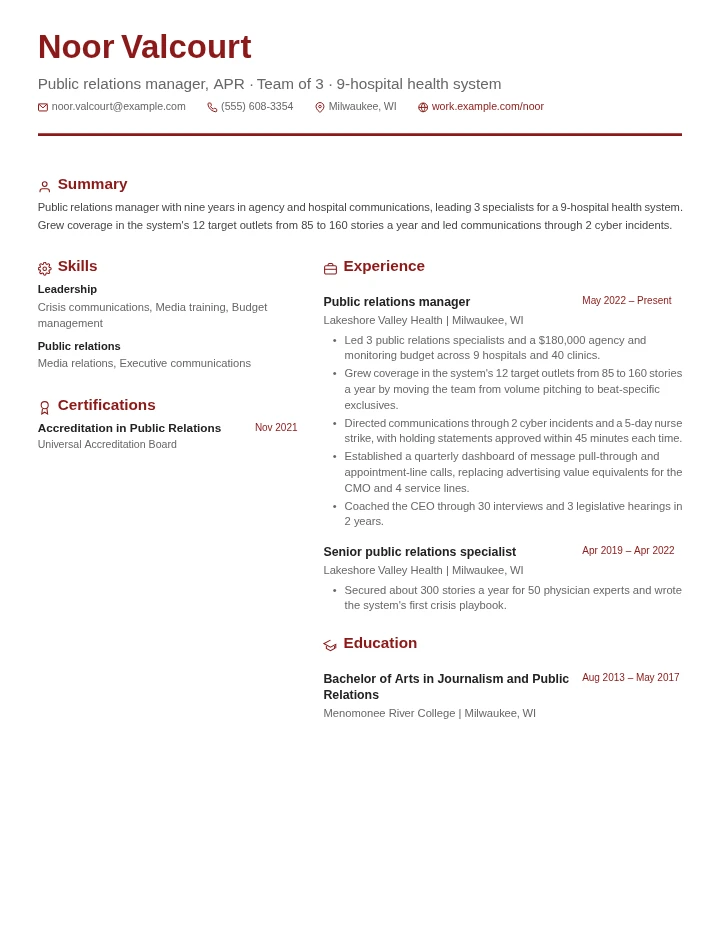
    Scope replaces execution: a team and budget, coverage in target outlets, crisis approvals timed, measurement leadership adopted and CEO preparation for hearings. The earlier role folds to one line with the expert program and a crisis playbook. APR appears in the headline and in certifications.

    Typical titles: Public relations manager, Director of media relations, Communications manager

04Summary

Weak

Creative and strategic PR professional with excellent communication skills and strong media relationships, passionate about telling compelling brand stories.

Strong

Senior public relations specialist with five years across agency and hospital communications, running media relations for a 7-hospital health system. Secured 410 stories for 64 physician experts last year and takes media calls on a 1-in-4 weekend on-call rotation.

The sector, the size of the system, a coverage count tied to experts, and the on-call commitment. A communications director can see the beat and the workload in one read. The weak version claims relationships and storytelling without a single outlet, story or number.

05Bullets

Weak

  • Wrote press releases and pitched stories to the media, resulting in increased brand awareness and positive coverage.

Strong

  • Secured 410 stories for 64 physician experts in 2025, up from 230 in 2023, through a weekly tip sheet sent to 90 health reporters.

A program, its reach to reporters, the experts it put forward and the coverage before and after. An interviewer can ask what went in the tip sheet and which reporters used it most. The weak bullet describes the job and claims awareness, which nobody measured, and it names no outlet a reader could check.

06Skills and keywords

Media and messaging

  • Media relations (in the example)
  • Crisis communications (in the example)
  • Media training (in the example)
  • Press release writing
  • AP Style
  • Executive communications

Monitoring and lists

  • Cision (in the example)
  • Muck Rack
  • Meltwater
  • Media monitoring

Content and channels

  • Social Media Marketing
  • WordPress
  • Canva

Credentials

  • Accreditation in Public Relations (APR)
  • Certificate in Principles of Public Relations

Filled chips appear in the example above.

Paste a job description and Resumi shows which of these your resume already covers.

Build your public relations specialist resume

07Mistakes to avoid

  1. Advertising value equivalents as the result

    Fix: The industry's own measurement principles say ad-value figures are not the value of communication, and many hiring managers stop reading at them. Report placements in target outlets, message pull-through, or an action the coverage drove, such as calls, sign-ups or attendance.

  2. Impressions instead of named outlets

    Fix: Four hundred million impressions says nothing about whether the right reporters wrote the story. Count placements in the outlets on your target list, name the tier, and give one or two examples a reader would recognize if your client allows it.

  3. Spray-and-pray pitching presented as work ethic

    Fix: Sending 500 pitches is not an achievement when journalists discard anything off their beat. Show list quality and relevance instead: the size of your targeted list, the reply rate, and the exclusives that landed because you knew the reporter.

  4. Crisis experience with no timeline

    Fix: Supported crisis communications could mean anything. Name the incident type, how many updates you issued, to which audiences, and how fast statements were approved. A timeline turns a claim into something a director can check.

  5. Writing samples missing from the application

    Fix: PR hiring starts with the writing. Link a short page from the header with two press releases, one pitch and one piece of coverage it produced. Remove anything confidential, and keep it to the pieces you would hand an editor.

08Format and template

Reverse-chronological order, standard section headings, and every count written as text so an applicant tracking system can read it. Put the sector and the scale in the headline, because agency and in-house roles read differently. Link a short page of writing samples from the header. Put APR after your name or title once you hold it. This example uses Red & Gray Modern. The same content works in Standard, Pink Accent and Beige Border.

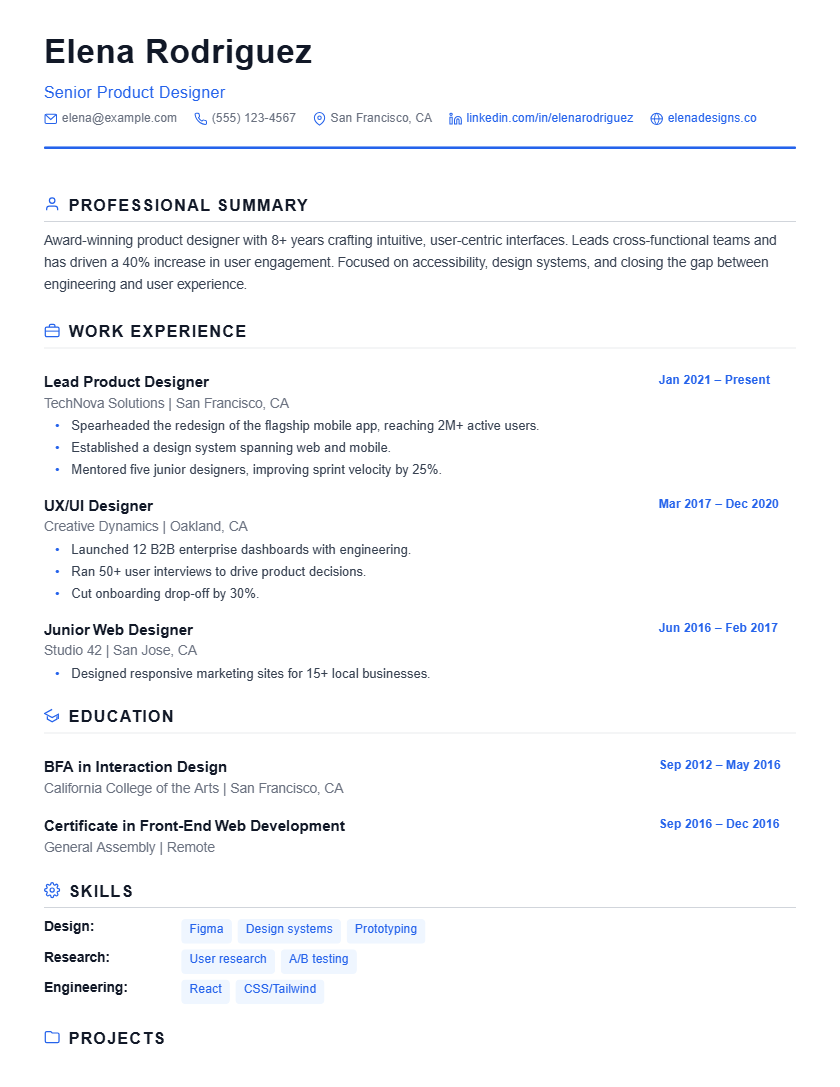
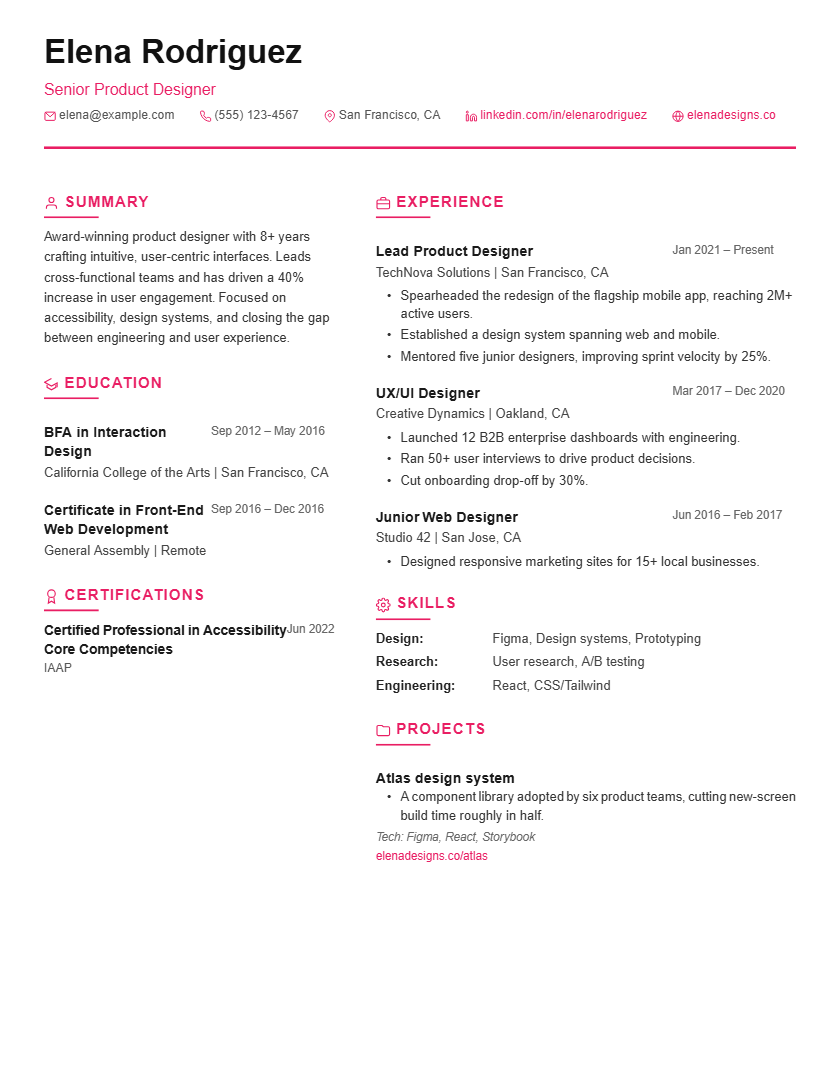
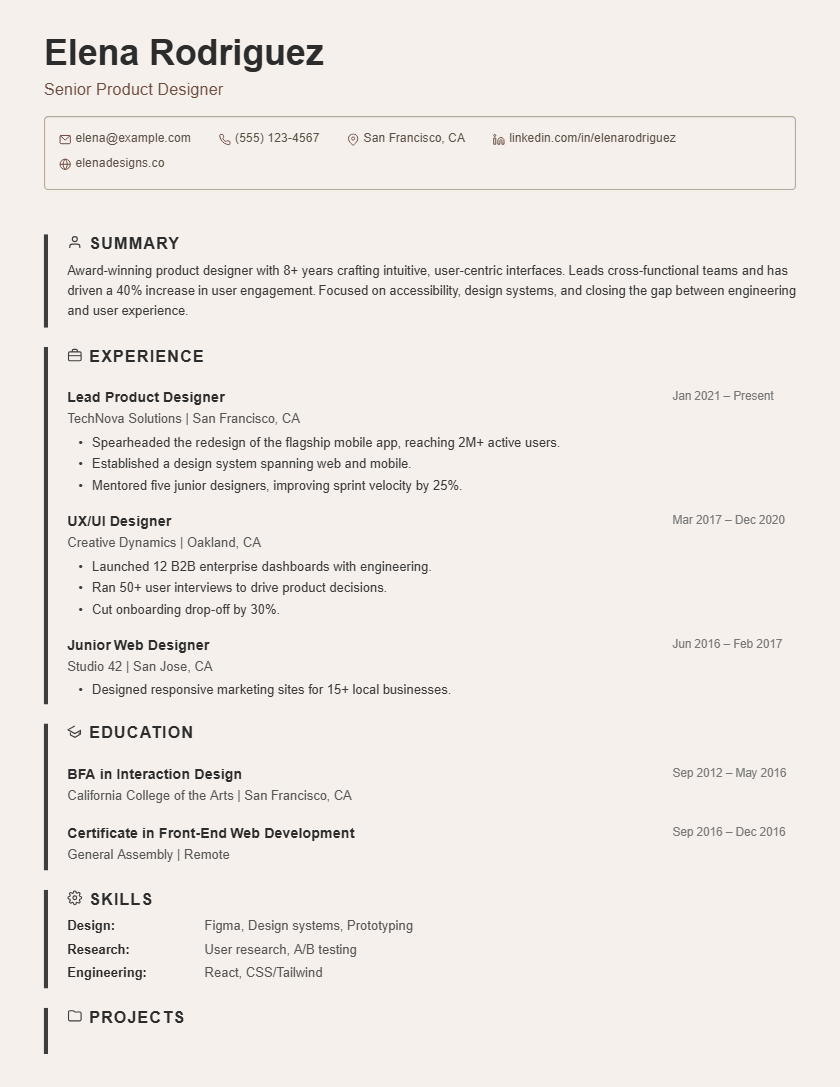
Shown above: Red & Gray Modern

  • Standard template
    StandardFree
  • Pink Accent template
    Pink Accent
  • Beige Border template
    Beige Border

09Questions public relations specialists ask

How do I show media placements on a PR resume?

Count placements in the outlets that mattered to the client or employer, not total pickups. Give the number for a year or a campaign, how many were on the target list, and the tier or type of outlet. Name one or two outlets if you are allowed to. Add what the coverage led to when you know it, such as calls, sign-ups or event attendance, because that is the result a director cares about.

Should I put my reply rate or pitch count on my resume?

The reply rate, with a comparison, is worth including. Pitch counts on their own suggest volume, and journalists now delete pitches that miss their beat. A reply rate above your team's average, or the number of exclusives that landed, shows the quality of your targeting and writing. Keep it to one bullet, and pair it with the placements those replies turned into.

Is the APR worth getting for a public relations specialist?

It becomes worth it once you have about five years of experience, which is what the Universal Accreditation Board recommends before attempting it. The process includes a panel presentation and a computer-based exam, and holders write APR after their name. For students and new graduates, the board offers a Certificate in Principles of Public Relations as a first step. Neither is required for most jobs, but both are recognized across the field.

How do I describe crisis communications work?

Give the incident type, the audiences you reached, the number of updates and the timeline. A line such as fourteen updates to media, staff and patients in 72 hours during a system outage is specific and checkable. If you sped up approvals or wrote the playbook used in the next incident, say so. Leave out anything confidential, and never name a client's crisis without permission.

How do I move from a PR agency to an in-house role?

Show depth on one subject. In-house teams want someone who can learn their organization's experts, rules and reporters in detail. Pick the agency client closest to the employer's sector and write your strongest bullets about it, with placements, programs and results over a year or more. Keep the client count in the headline so the breadth still shows, and mention any compliance process you worked within.

Should a PR specialist include social media work?

Yes, when it served the media work. Executive LinkedIn posts that led to interview requests, live coverage during an event, or monitoring that caught a story early all belong. Keep social to one or two bullets with a result, and lead with media relations. Journalists now rate social platforms as less important for their reporting, so social follower counts on their own carry little weight in PR hiring.

Free to start

Build your public relations specialist resume

No card, no trial that turns into a charge.

Sign up free