Pharmacist resume examples & writing guide for 2026

Three pharmacist resumes at community, hospital and ambulatory care level, rendered in a real template and taken apart line by line. Each names the setting, puts the staffing next to the volume, and says where the scope of practice came from.

By the Resumi editorial teamUpdated 10 min read

Showing the mid-level example

Pharmacist resume example, mid level, rendered in the Green Academic template
Strength: Excellent

Written by the Resumi editorial team for a fictional candidate. Role facts come from O*NET and the U.S. Bureau of Labor Statistics.

Strength band is Resumi’s optimization score, not a ranking any employer sees.

What makes this resume work

Each marker on the page has a note here. Press a marker to jump to its note.

  1. 1

    Setting, size and system

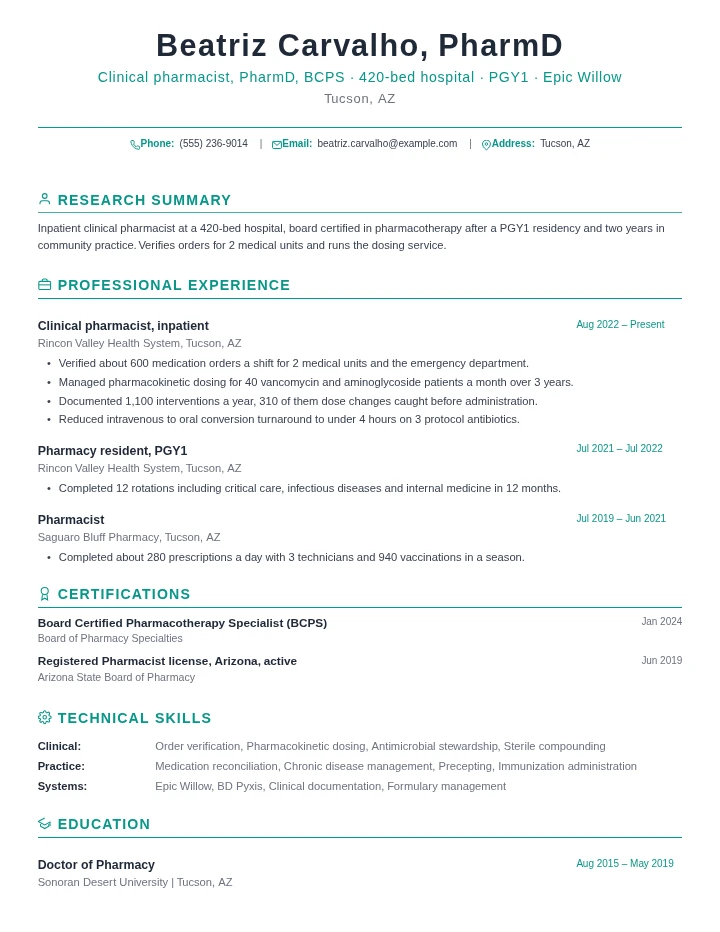
    Inpatient, 420 beds, Epic Willow. Hospital practice is read through the size of the institution and the system it runs on, and both belong before a single clinical line.

  2. 2

    The residency, stated plainly

    A PGY1 in the summary and again as its own dated role below. Residency is the usual door into hospital practice, and burying it in education makes a reader hunt for the thing they screen on.

  3. 3

    Orders a shift, and whose

    Six hundred a shift across 2 medical units and the emergency department. Verification volume is the inpatient equivalent of a script count, and the units say what kind of orders they were.

  4. 4

    Interventions with a subset

    Eleven hundred a year and the 310 that were dose changes caught before administration. The total shows activity. The subset shows the catches, which is the part a pharmacy director is buying.

  5. 5

    The resident year, one line

    Twelve rotations across critical care, infectious diseases and internal medicine. The rotations are what the residency was, and naming three of them places the training without spending the page on it.

  6. 6

    Board certification, dated

    Pharmacotherapy specialist with its issuing board and the year. These certifications carry a recertification cycle, so the year tells a reader where in that cycle the credential currently sits.

Build your pharmacist resume

Free to start · no card

01The example, in full

The resume shown above, as text you can search and copy.

Beatriz Carvalho, PharmD

Clinical pharmacist, PharmD, BCPS · 420-bed hospital · PGY1 · Epic Willow

Tucson, AZbeatriz.carvalho@example.com(555) 236-9014

Summary

Inpatient clinical pharmacist at a 420-bed hospital, board certified in pharmacotherapy after a PGY1 residency and two years in community practice. Verifies orders for 2 medical units and runs the dosing service.

Experience

Clinical pharmacist, inpatient

Aug 2022 – Present

Rincon Valley Health System · Tucson, AZ

  • Verified about 600 medication orders a shift for 2 medical units and the emergency department.
  • Managed pharmacokinetic dosing for 40 vancomycin and aminoglycoside patients a month over 3 years.
  • Documented 1,100 interventions a year, 310 of them dose changes caught before administration.
  • Reduced intravenous to oral conversion turnaround to under 4 hours on 3 protocol antibiotics.

Pharmacy resident, PGY1

Jul 2021 – Jul 2022

Rincon Valley Health System · Tucson, AZ

  • Completed 12 rotations including critical care, infectious diseases and internal medicine in 12 months.

Pharmacist

Jul 2019 – Jun 2021

Saguaro Bluff Pharmacy · Tucson, AZ

  • Completed about 280 prescriptions a day with 3 technicians and 940 vaccinations in a season.

Education

Doctor of Pharmacy

Aug 2015 – May 2019

Sonoran Desert University · Tucson, AZ

Skills

Clinical
Order verification, Pharmacokinetic dosing, Antimicrobial stewardship, Sterile compounding
Practice
Medication reconciliation, Chronic disease management, Precepting, Immunization administration
Systems
Epic Willow, BD Pyxis, Clinical documentation, Formulary management

Certifications

Board Certified Pharmacotherapy Specialist (BCPS)

Jan 2024

Board of Pharmacy Specialties

Registered Pharmacist license, Arizona, active

Jun 2019

Arizona State Board of Pharmacy

02Market snapshot

Median pay
$140,910 median annual pay, $67.75 an hour. The band runs from under $99,290 to over $174,230
Typical education
A doctoral or professional degree, the Doctor of Pharmacy. No prior work experience and no on-the-job training
Job outlook
+5% employment change, 2025-35, faster than average. About 12,500 openings a year
Common credentials
Every state licenses pharmacists. Two exams, intern hours set by the state and continuing education to renew

Sources: BLS OES (May 2025) · BLS OOH (2025)

03The same resume at three levels

The tinted row is the level shown above.

  • Entry-level

    0–2 years

    Volume never appears without the staffing behind it, immunizations are counted by season, and the intern hours sit in the experience section where they belong. The immunization program is written as a certificate rather than promoted into a certification, which is the distinction the field actually draws.

    Typical titles: Pharmacist, Community pharmacist, Staff pharmacist

  • Mid-level

    3–6 years

    Bed count and system come first because hospital readers screen on both. Verification volume carries the units it covered, the intervention count carries the subset that mattered, and the residency gets its own dated row rather than a line in education where nobody looks for it.

    Typical titles: Clinical pharmacist, Inpatient pharmacist, Pharmacy clinical specialist

  • Senior

    7+ years

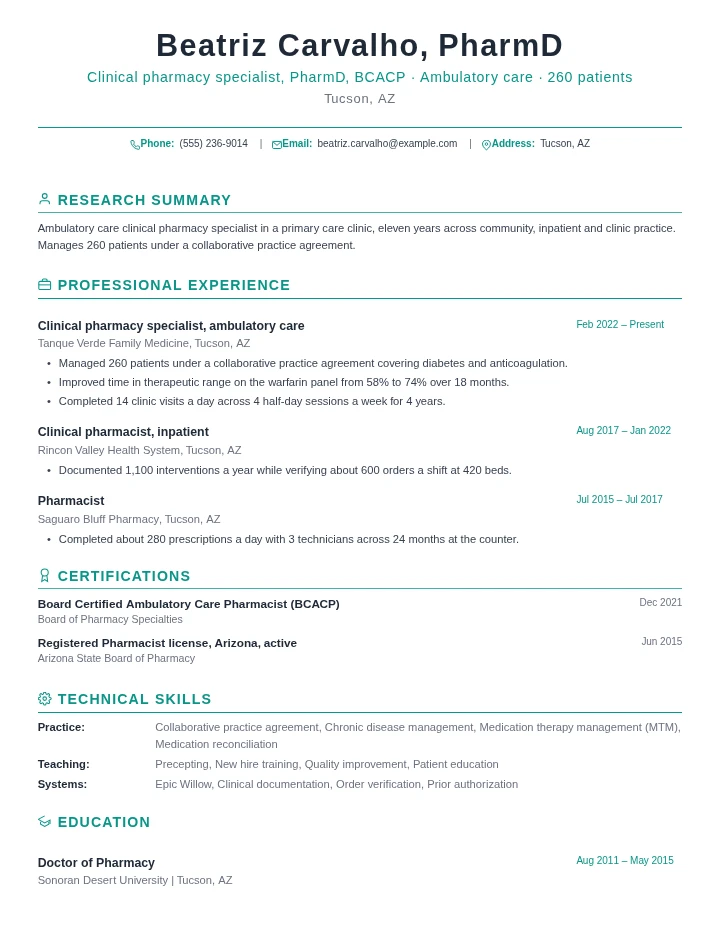
    The scope comes with the document that granted it, because the same sentence means different authority in different states. The outcome figure is one the clinic reports, the load is given in sessions rather than shifts, and the two earlier settings hold one line each in their own units, precepting included.

    Typical titles: Clinical pharmacy specialist, Ambulatory care pharmacist, Pharmacy clinical coordinator

04Summary

Weak

Detail-oriented and dedicated pharmacist with extensive experience in medication dispensing, patient counseling and pharmacy operations, committed to delivering exceptional patient care.

Strong

Inpatient clinical pharmacist at a 420-bed hospital, board certified in pharmacotherapy after a PGY1 residency and two years in community practice. Verifies orders for 2 medical units and runs the dosing service.

Setting, institution size, board certification, the residency, the prior setting and what this pharmacist is actually responsible for on a shift. A pharmacy director can place all of it. The weak version opens with the word every competitor sample opens with and settles nothing.

05Bullets

Weak

  • Responsible for accurately filling prescriptions, counseling patients on medication use and side effects, and ensuring compliance with all state and federal pharmacy regulations.

Strong

  • Verified about 280 prescriptions a day with 3 technicians and 1 technician in training on shift.

A volume and the staffing that carried it, in the same sentence. Pharmacists themselves are unanimous that a script count alone is meaningless, because 280 a day with three technicians is a different job from 280 a day with one, and the person reading your resume has worked both. Putting the two together is the single cheapest way to make a retail number credible to someone who has stood behind that counter. The weak bullet lists what the license requires of everyone who holds it, which means every applicant for the same opening could send it unchanged.

06Skills and keywords

Clinical

  • Order verification (in the example)
  • Pharmacokinetic dosing (in the example)
  • Antimicrobial stewardship (in the example)
  • Medication reconciliation (in the example)
  • Sterile compounding (in the example)
  • Medication therapy management (MTM)

Practice

  • Chronic disease management (in the example)
  • Immunization administration (in the example)
  • Precepting (in the example)
  • Formulary management (in the example)
  • Collaborative practice agreement
  • Prior authorization

Systems

  • Epic Willow (in the example)
  • BD Pyxis (in the example)
  • Clinical documentation (in the example)
  • Inventory management
  • Patient education
  • Quality improvement

Credentials

  • Registered Pharmacist (RPh) license (in the example)
  • Board Certified Pharmacotherapy Specialist (BCPS) (in the example)
  • Doctor of Pharmacy (PharmD) (in the example)
  • Board Certified Ambulatory Care Pharmacist (BCACP)
  • APhA immunization certificate
  • PGY1 pharmacy residency (in the example)

Filled chips appear in the example above.

Paste a job description and Resumi shows which of these your resume already covers.

Build your pharmacist resume

07Mistakes to avoid

  1. A script count with no staffing behind it

    Fix: Two hundred and eighty a day with three technicians is a different job from 280 with one, and every pharmacist reading your page knows it. Give the volume, the technician count and the hours they covered. Without them it reads as a boast rather than a description.

  2. Certificate and certification used as one word

    Fix: The immunization program is a certificate training program. Board certifications come from a specialty board, carry letters and recertify on a fixed cycle. Put each in the right category, spell the letters exactly, and never invent a specialty that has no letters yet.

  3. Scope described without its mechanism

    Fix: Prescribed, adjusted and managed mean different things depending on whether a collaborative practice agreement, a standing order, a statewide protocol or independent authority sat behind them. Name the mechanism and the state, because a reader in another state cannot assume yours.

  4. No setting, or the wrong one implied

    Fix: Community, hospital, ambulatory care, specialty, long-term care consulting and managed care are different jobs on one license. Say which yours was, because the reader is trying to work out whether your verification volume, your clinic sessions or your regimen reviews translate to theirs.

  5. A single typo anywhere on the page

    Fix: Career writers in this field say one error sends the application to the no pile, and the reasoning is specific rather than harsh: the job is checking work. Inconsistent fonts and date formats read the same way. Proof it twice and keep every date in one format.

08Format and template

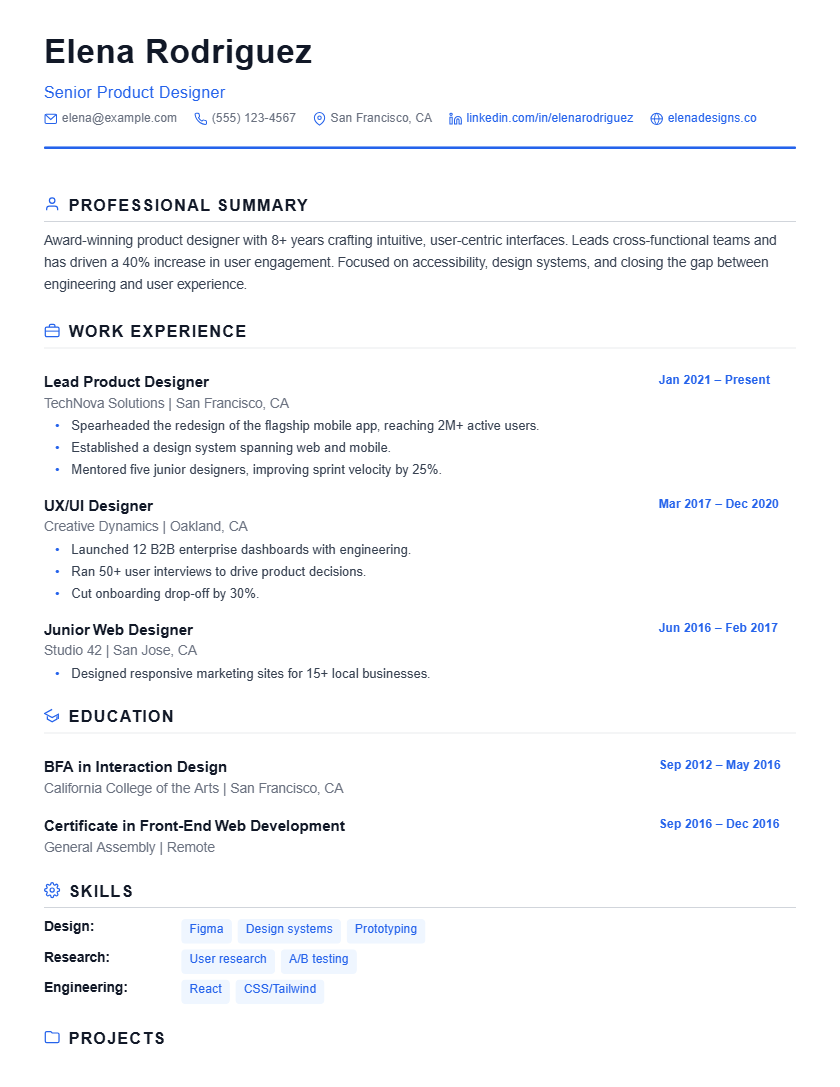
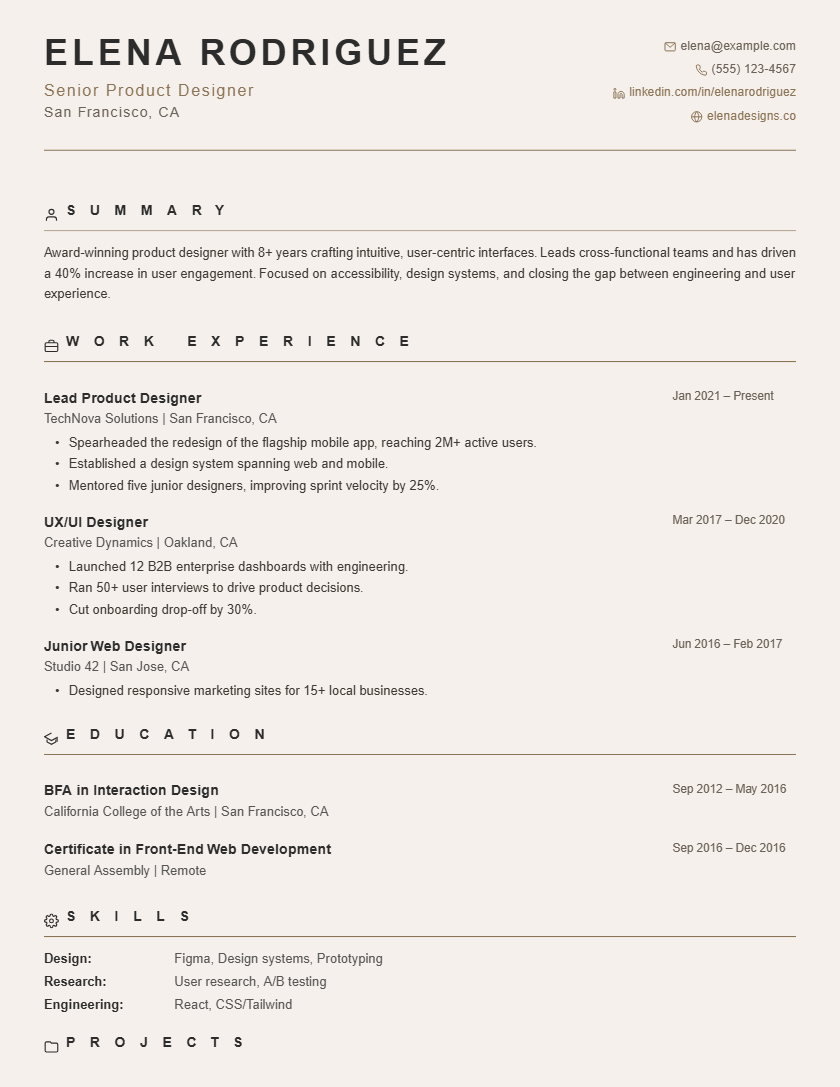
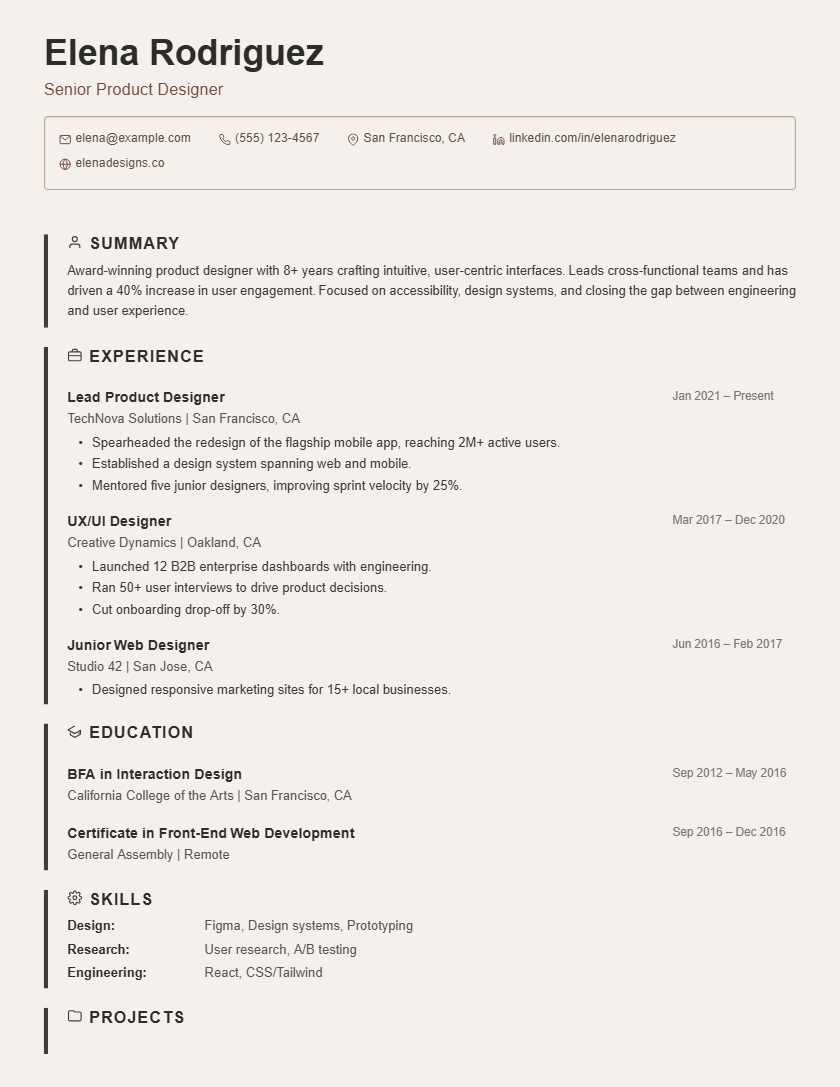
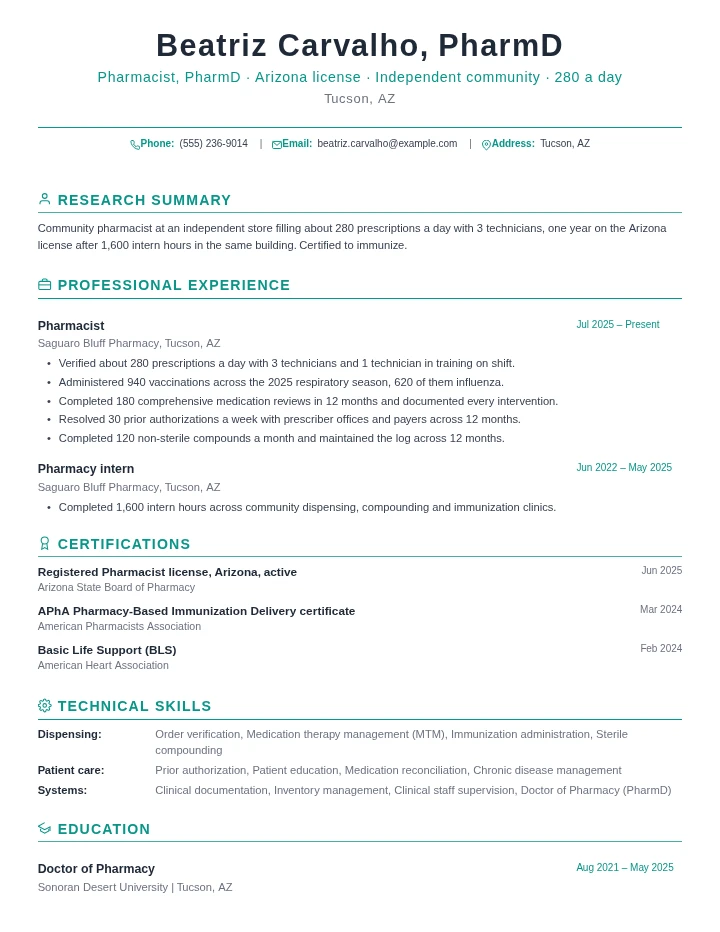
Single column, standard headings, no photo, one page for a staff or clinical role. The license and its state, the board certification and the setting all belong above the fold, because those three decide whether the rest gets read. This example uses Green Academic, which gives each credential a dated row without pretending a certificate is a certification. The same content works in Standard, Warm Classic and Beige Border, all single column. A residency or fellowship application is the exception: those want a curriculum vitae, which is a longer document with a different job.

Shown above: Green Academic

  • Standard template
    StandardFree
  • Warm Classic template
    Warm Classic
  • Beige Border template
    Beige Border

09Questions pharmacists ask

Resume or curriculum vitae for a pharmacist?

Both, for different things. A resume of one to two pages, tailored to each posting, is what community, hospital staff and industry roles want. A curriculum vitae, which can run to ten pages or more, is what residency, fellowship and academic applications want, because there the presentations, projects, posters and teaching are the point. The practical approach is to keep the curriculum vitae as your master record and cut each resume down from it rather than writing two documents from scratch.

How do I write my credentials?

Degree, then license, then board certification, so it reads PharmD, BCPS after the name. Certificate training programs such as the immunization one go in a certifications section, never after your name, because they are certificates rather than certifications. Spell the board letters exactly as the specialty board writes them, name the issuing board beside each, and give the year. A specialty that has been approved but has no letters yet does not belong on a resume at all.

What numbers belong on a pharmacist resume?

Whatever your setting counts, always with the staffing or the scope that produced it. Community counts prescriptions a day, technician support, immunizations by season, medication reviews and prior authorizations. Hospital counts beds, orders verified a shift, interventions documented, cost avoidance and residents precepted. Ambulatory counts panel size, clinic sessions and disease-control measures. Long-term care counts residents, facilities and regimen reviews a month. Managed care counts determinations and appeals a day.

How do I get from retail into a clinical role?

Rewrite the work you already do in clinical terms rather than sales ones. Profile review is prospective drug utilization review. Counseling on a new start is patient education with an intervention behind it. Reviewing a warfarin or a diabetes regimen is disease-state management. Then name what you have added: a certificate program, a per diem inpatient shift, immunization volume, a collaborative practice agreement in your state. A residency is the usual route into hospital practice, and the honest page says where you stand on that rather than leaving the reader to guess.

I did not match to a residency. What now?

Write the document for the job you are applying to, which usually means turning the residency curriculum vitae into a one-page resume. Lead with the license and the setting, put the rotations and the volume you carried into the experience section, and keep the research or project work only where it shows something the employer needs. Unmatched is common enough that no reader treats it as disqualifying, and a page that reads as a truncated academic document is a bigger problem than the gap it is trying to explain.

How do I list licenses for a multi-state or floater role?

Name each state with the license status and the date, because a chain district role can require licensure in every state it covers and the recruiter is checking exactly that. If you are mid-transfer, say which state is in progress and by which route. Pharmacists who have already licensed somewhere transfer through the national licensure transfer program rather than retaking the main exam, but most destination states still want their own law exam first, so writing the pending law exam on the page answers the timeline question before it is asked.

Free to start

Build your pharmacist resume

No card, no trial that turns into a charge.

Sign up free